Carbon Steel Pipe Market Trends: Why Global Infrastructure Buyers Are Rebuilding Their Supply Strategies
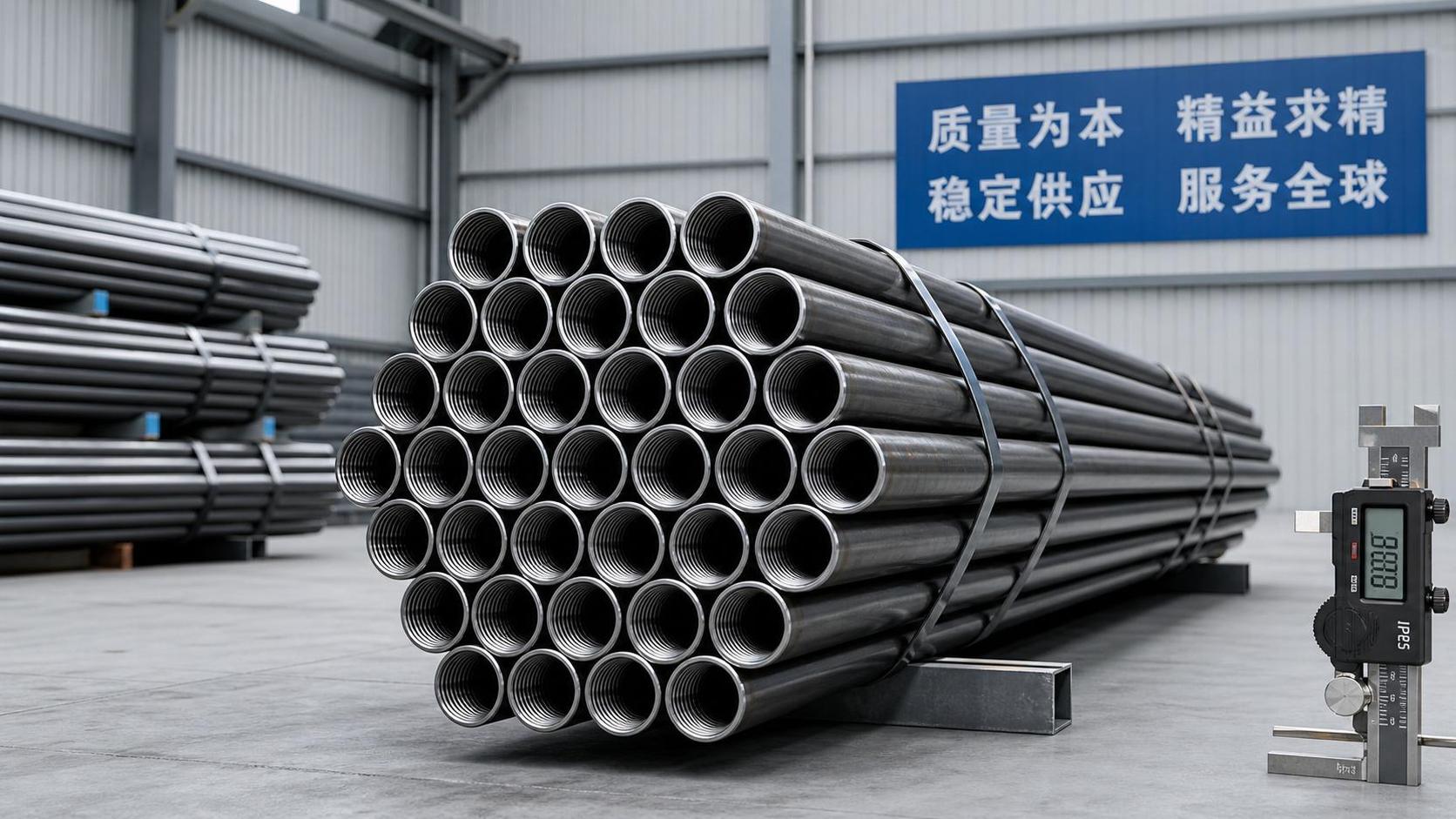
The global steel pipe market is moving through a period of structural change. Infrastructure investment, energy security, industrial construction, water management, and regional manufacturing expansion are reshaping how buyers evaluate pipe materials and suppliers. In this environment,carbon steel pipe remains one of the most important and widely used products in international steel trade because it combines mechanical strength, broad availability, process flexibility, and practical cost efficiency.
For many years, carbon steel pipe has been treated as a standard industrial material. It is used in construction, energy transmission, machinery, structural engineering, municipal projects, agricultural systems, and manufacturing facilities. However, the market conversation is changing. Buyers are no longer focused only on pipe diameter, wall thickness, and price per ton. They are paying closer attention to delivery reliability, specification stability, inspection documents, coating compatibility, welding performance, project compliance, and supplier responsiveness.
This shift is important for global exporters and project buyers alike. Steel pipe procurement is becoming more strategic because delayed delivery, inconsistent quality, or unclear documentation can affect entire engineering schedules. Whether the project involves pipelines, support structures, water systems, industrial plants, or machinery production, pipe quality and supplier stability now play a larger role in controlling project risk.
Global Infrastructure Demand Keeps Steel Pipe Relevant
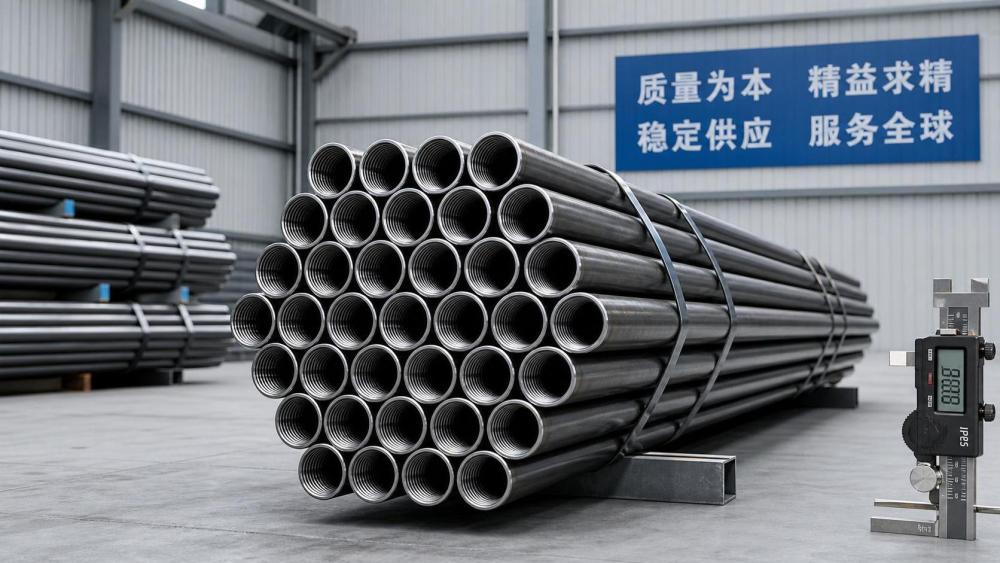
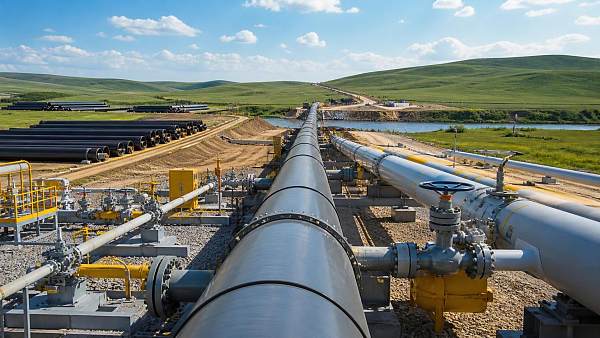
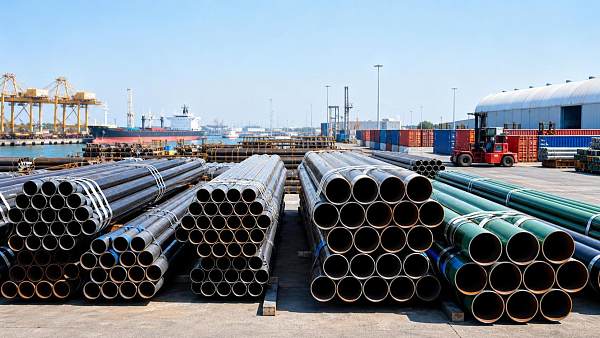
Infrastructure development remains one of the strongest foundations of carbon steel pipe demand. Roads, bridges, ports, airports, railways, industrial parks, warehouses, water networks, and power facilities all require steel pipe in different forms. Some applications use pipe for fluid transmission, while others use it for structural support, piling, scaffolding, mechanical fabrication, or protective systems.
In emerging markets, urbanization continues to create demand for water supply, drainage, gas distribution, transportation infrastructure, and industrial construction. These projects require large volumes of reliable pipe products. In mature markets, the focus is often on replacement, repair, modernization, and resilience upgrades. Aging water networks, old industrial facilities, and outdated energy infrastructure all create opportunities for durable pipe materials.
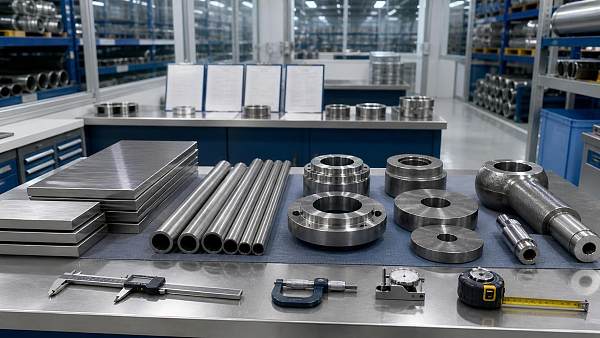
Carbon steel pipe remains attractive because it can be produced in many sizes, wall thicknesses, grades, and surface treatments. This flexibility allows buyers to match pipe specifications to different project conditions. For general structural use, buyers may prioritize strength, dimensional accuracy, and weldability. For fluid transmission, they may focus on pressure performance, sealing compatibility, internal cleanliness, and anti-corrosion treatment. For machinery and fabrication, processing stability and consistent wall thickness become especially important.
The infrastructure market is also influenced by government spending and private investment cycles. When public works programs accelerate, demand for steel pipe can rise quickly. When financing conditions tighten, buyers may become more selective and price-sensitive. This makes supply planning especially important for distributors and contractors that must balance inventory risk with project availability.
Energy and Pipeline Projects Support Long-Term Consumption
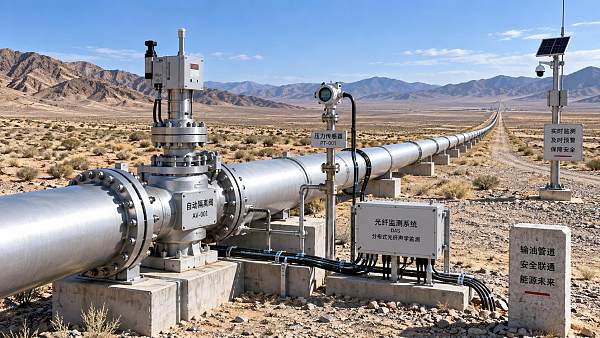
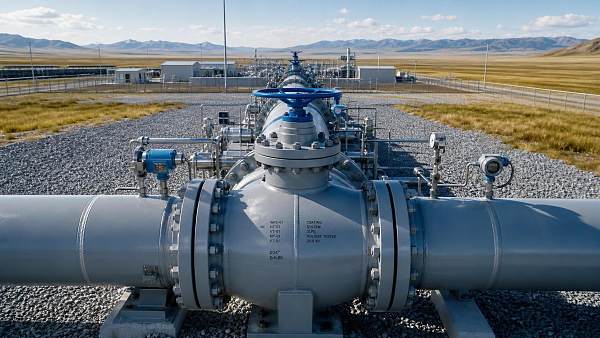
Energy infrastructure remains a major demand driver for steel pipe. Oil and gas transportation, refinery systems, petrochemical plants, power stations, heating networks, and industrial utility lines all require pipe materials capable of handling pressure, temperature variation, and long service conditions. While stainless steel and alloy pipes are needed for specialized environments, carbon steel pipe continues to serve many mainstream applications because of its cost-performance balance.
The global energy market is also becoming more complex. Traditional oil and gas projects still require pipeline and facility investment, while new energy systems are adding demand for supporting infrastructure. Gas-fired power plants, industrial heat systems, carbon capture projects, hydrogen-blending trials, and district energy networks all involve pipe selection decisions. Even renewable energy projects need steel materials for support structures, cable protection, maintenance systems, and facility construction.
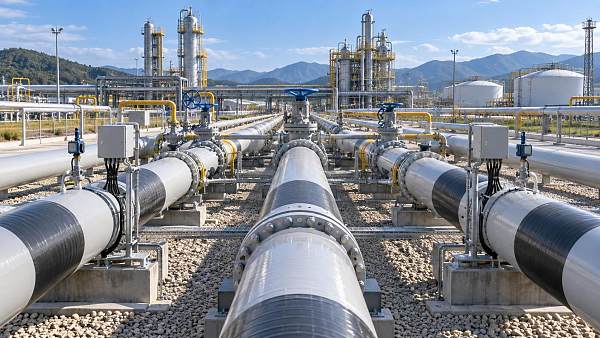
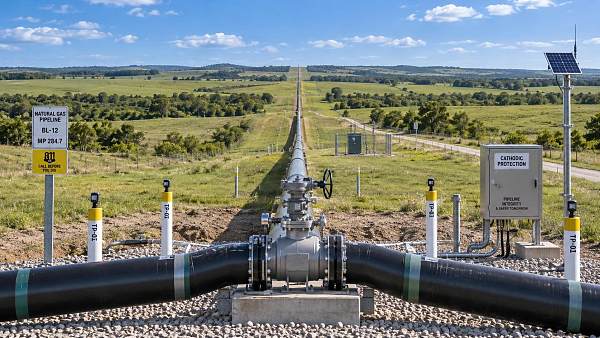
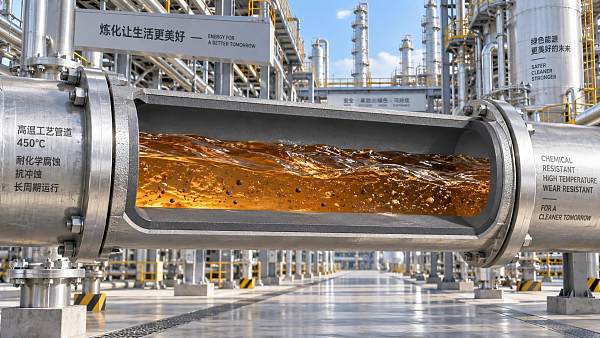
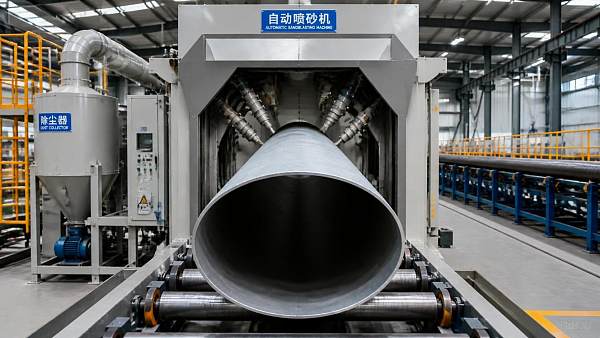
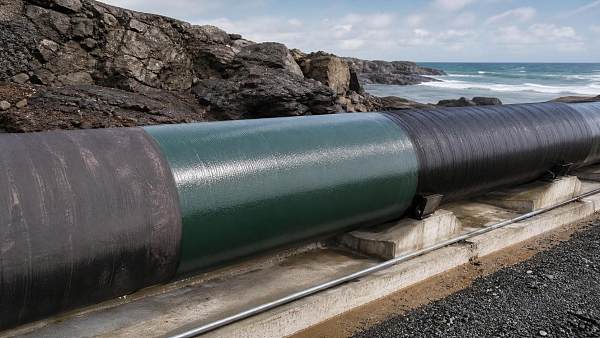
For pipeline-related applications, buyers often evaluate not only the pipe itself but also its compatibility with coatings, welding methods, testing requirements, and installation environments. Anti-corrosion protection is especially important for buried, coastal, or humid conditions. This is why steel pipe procurement increasingly involves discussions about surface condition, beveling, coating preparation, packing, and documentation.
Energy projects also tend to have strict timelines and compliance requirements. A small supply error can delay installation, inspection, or commissioning. As a result, buyers prefer suppliers that can provide stable specifications, clear communication, and predictable lead times. This favors steel pipe exporters that understand international project procurement instead of simply offering commodity supply.
Water Transmission and Municipal Projects Add Stable Demand
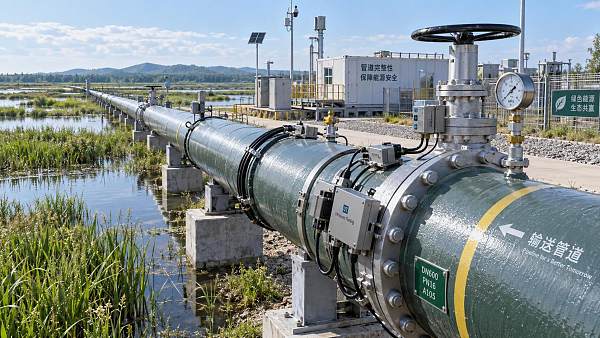
Water infrastructure is another area supporting carbon steel pipe demand. Many regions are investing in water supply, irrigation, drainage, wastewater treatment, and flood-control systems. Population growth, climate pressure, and industrial expansion are pushing governments and developers to improve water movement and storage capacity.
Carbon steel pipe is often used in water-related projects where strength, diameter range, and cost efficiency are important. Depending on the project, pipes may require internal lining, external coating, flanged connections, welding preparation, or other protective measures. Buyers must consider the water type, soil condition, pressure level, installation method, and expected service life.
Municipal projects often value reliability and documentation. Procurement teams may need certificates, inspection reports, packing details, and confirmation that products meet relevant standards. In export markets, this can become a competitive advantage for suppliers that prepare complete and accurate documents.
Water infrastructure demand is likely to remain steady because it is tied to essential public services. Even when commercial construction slows, water and utility projects often continue due to long-term planning needs. This gives steel pipe suppliers an opportunity to build stable customer relationships with contractors, distributors, and public project partners.
Industrial Manufacturing Requires Consistent Pipe Quality
Beyond infrastructure and energy, carbon steel pipe is widely used in industrial manufacturing. Machinery producers, equipment fabricators, agricultural equipment manufacturers, furniture makers, storage rack producers, vehicle parts suppliers, and structural component manufacturers all use pipe in different ways.
For these buyers, processing performance is often just as important as material grade. They need pipes that can be cut, welded, bent, drilled, painted, galvanized, or assembled efficiently. Inconsistent dimensions, poor surface quality, ovality issues, or unstable wall thickness can create production delays and increase waste.
Manufacturing buyers also tend to purchase repeatedly. Once a pipe supplier is approved, the buyer may continue ordering if quality and delivery remain stable. This creates strong long-term value for suppliers that can support consistent production batches and responsive service.
As manufacturing supply chains regionalize, buyers are diversifying their sources. Some companies are reducing dependence on a single country or supplier, while others are building multi-supplier networks to manage risk. This does not eliminate price competition, but it raises the importance of reliability. A supplier that can maintain stable product quality during market volatility becomes more valuable to international customers.
Price Volatility Is Reshaping Procurement Strategies
Steel pipe prices are influenced by raw material costs, billet and coil prices, energy expenses, mill capacity, freight rates, currency movements, and regional trade policies. Carbon steel pipe buyers have become more aware of these variables because sudden price changes can affect project budgets and resale margins.
In the past, some buyers relied heavily on spot purchasing. Today, more procurement teams are combining spot buying with planned purchasing, supplier agreements, and inventory monitoring. Distributors may keep strategic stock for fast-moving sizes, while project buyers may lock in supply earlier to avoid delivery risk.
Freight volatility has also changed the way buyers evaluate total cost. A low product price may not be attractive if shipping costs, port delays, documentation problems, or packing issues create uncertainty. For international steel pipe trade, the real cost includes product price, logistics, customs clearance, storage, inspection, and project timing.
This is why market trend content around carbon steel pipe should not focus only on price movement. The more useful discussion is about value stability. Buyers want to know whether a supplier can deliver the right size, grade, surface treatment, packing method, and documentation at the right time. In a volatile market, predictable execution becomes a major competitive advantage.
Standards and Documentation Are Becoming More Important
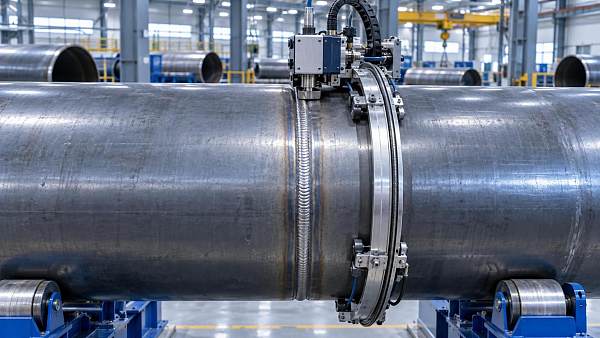
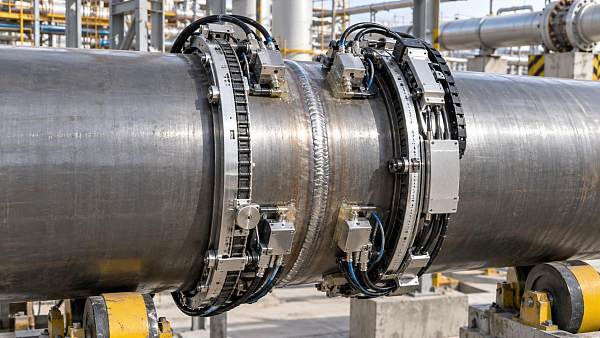
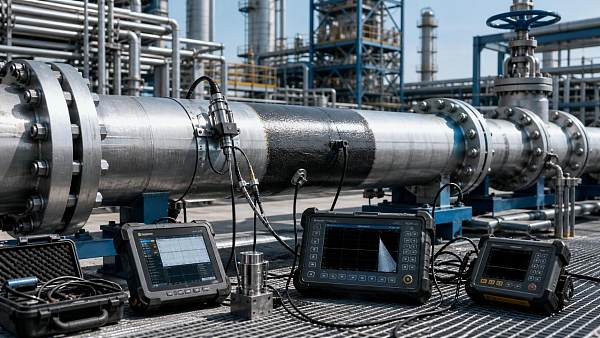
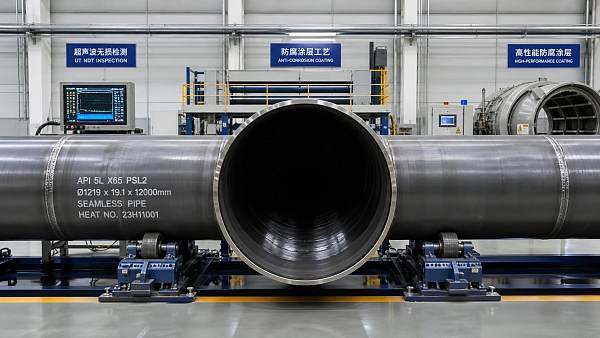
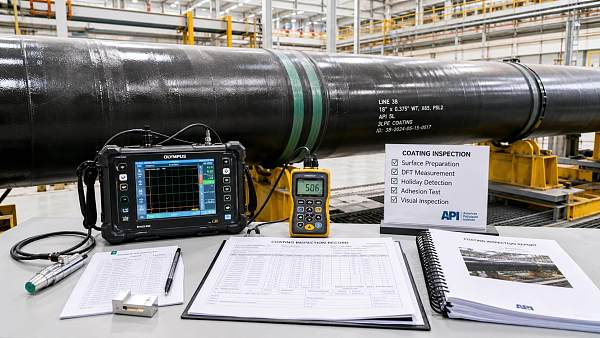
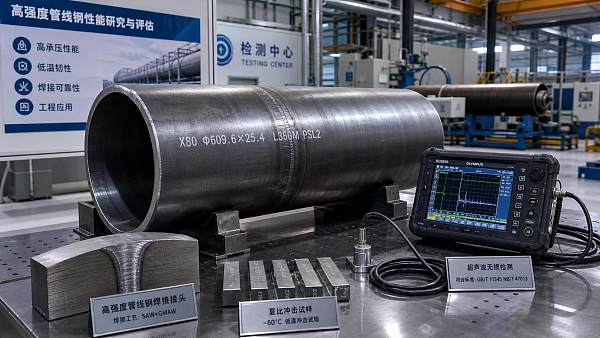
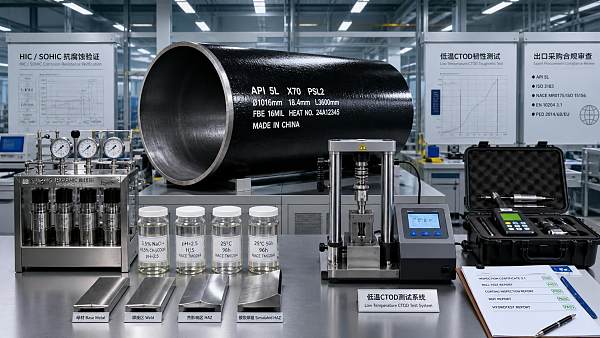
International buyers increasingly expect steel pipe suppliers to communicate product specifications clearly. Common concerns include outside diameter, wall thickness, length, steel grade, production method, tolerance, surface treatment, end finish, testing method, and packing. For certain applications, buyers may also request chemical composition, mechanical properties, hydrostatic testing, ultrasonic testing, or third-party inspection.
Documentation is especially important for project-based procurement. Contractors and distributors may need records for client approval, customs clearance, installation planning, and quality tracking. When documentation is incomplete or unclear, buyers face unnecessary delays.
This trend is changing how suppliers should present their products online. A simple product name is no longer enough. Strong product pages should explain specification ranges, application areas, surface treatment options, inspection support, export packing, and buyer selection considerations. This helps search engines understand topical relevance while also helping real buyers make faster decisions.
For carbon steel pipe suppliers, the most effective content connects technical details with practical applications. For example, a buyer does not only need to know that a pipe is available in different wall thicknesses. They need to understand how wall thickness affects pressure capability, structural strength, processing suitability, and project cost.
Anti-Corrosion and Surface Treatment Create Added Value
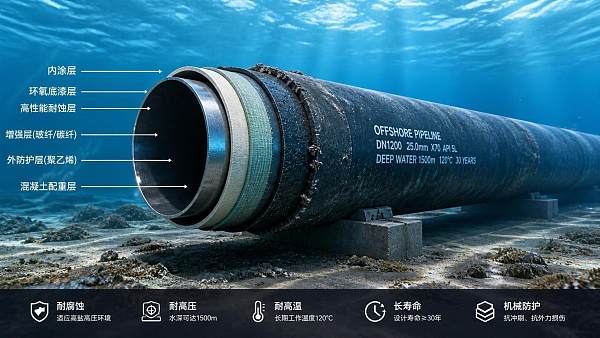
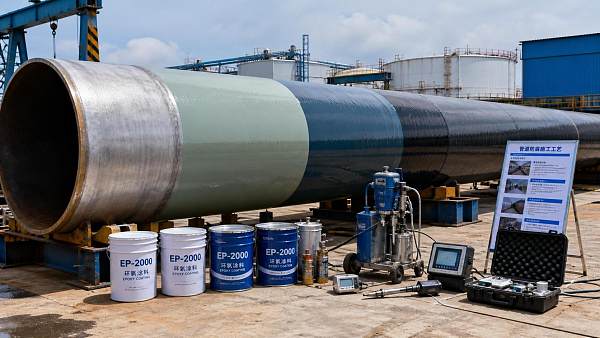
Corrosion protection is a major topic in steel pipe procurement. Carbon steel offers strength and affordability, but it often needs appropriate surface protection depending on the operating environment. Buyers may request black pipe, painted pipe, galvanized pipe, oiled pipe, coated pipe, or pipes prepared for further anti-corrosion treatment.
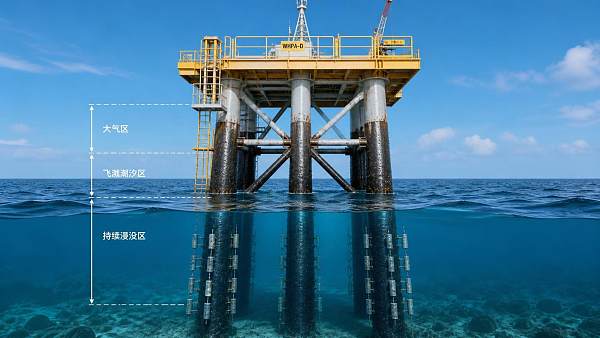
The choice depends on application conditions. Indoor structural use may require basic surface treatment. Outdoor construction may need stronger protection. Buried pipelines, coastal projects, chemical facilities, and water systems may require more advanced coating or lining solutions. This is why carbon steel pipe suppliers that can discuss surface treatment options are more useful to buyers.
Anti-corrosion requirements also connect steel pipe to broader infrastructure lifecycle planning. A pipe that performs well over time can reduce maintenance, repair, replacement, and downtime costs. For project owners, this can be more important than saving a small amount on initial procurement.
As lifecycle cost becomes a stronger procurement factor, suppliers should position carbon steel pipe as part of a complete project solution. Material strength, surface treatment, packaging, installation compatibility, and inspection readiness all contribute to buyer confidence.
Regional Demand Is Becoming More Diversified
Carbon steel pipe demand is not concentrated in one market. Southeast Asia continues to see demand from infrastructure, manufacturing, energy, and construction. The Middle East needs pipe products for energy, water, building, and industrial projects, often under demanding climate conditions. Africa has long-term demand potential tied to urbanization, water systems, mining, agriculture, and public infrastructure. Latin America continues to require pipe materials for construction, energy, industrial fabrication, and transport networks.
In Europe and North America, demand may be more tied to replacement, renovation, energy transition projects, and manufacturing investment. These markets often place greater emphasis on standards, traceability, compliance, and quality documentation. Buyers may be willing to pay more for reliable supply and technical clarity, but they also expect stronger communication and consistent product control.
For exporters, this means a one-size-fits-all sales message is not enough. A distributor in Africa may prioritize availability, price stability, and common sizes. A project buyer in the Middle East may focus on coating performance and documentation. A manufacturer in Southeast Asia may care most about processing consistency and delivery speed. A European buyer may ask more about compliance and traceability.
Understanding these regional differences helps suppliers create more useful marketing content and better customer communication.
Outlook: Carbon Steel Pipe Will Remain a Core Industrial Material
The long-term outlook for carbon steel pipe remains positive because it serves essential sectors that cannot function without durable pipe materials. Infrastructure, energy, water management, construction, machinery, and industrial manufacturing all require steel pipe in large volumes. While market cycles will continue, the fundamental need for strong and cost-efficient pipe products is unlikely to disappear.
The competitive landscape, however, is changing. Buyers are becoming more professional, more cautious, and more focused on supplier reliability. They want more than a product list. They want clear specifications, stable quality, export experience, responsive communication, and confidence that the supplier can support real project needs.
For suppliers, the opportunity is to move beyond commodity positioning. Carbon steel pipe should be presented through application value, market insight, technical clarity, and supply chain reliability. Companies that can explain how their products support construction, energy, water, and manufacturing projects will be better positioned to win attention from global buyers.
For buyers, the best strategy is to evaluate carbon steel pipe through total value rather than unit price alone. The right supplier can help reduce procurement uncertainty, improve project planning, support compliance, and protect downstream production schedules. As global infrastructure and industrial markets continue to evolve, carbon steel pipe will remain one of the key materials connecting manufacturing capability with real-world development.
Industry Briefing
Get the top 5 industry headlines delivered to your inbox every morning.
News Recommendations
 Girth Weld Quality: Acceptance Criteria and Inspection Controls for Pipeline ProjectsDr. Elias Vance
 Pipeline Leak Detection Methods: Choosing the Right System for Remote AssetsMs. Vivienne Cross
 How to Evaluate a Pipeline Integrity Management Platform for Multi-Asset Risk ControlMs. Vivienne Cross
 Pipeline Lifecycle Management in the USA: A Framework to Cut Integrity and Compliance RiskMs. Vivienne Cross
 Selecting High-Temperature Internal Pipe Coatings for Hot, Corrosive Process StreamsPolymer Coating & Thermal Scientist
 Pipeline Failure Prevention: How Risk-Based Integrity Plans Reduce Leaks and DowntimeMs. Vivienne Cross
 Ultrasonic Weld Testing for Pipeline Girth Welds: What to Verify Before AcceptanceDr. Elias Vance
 Selecting Mechanical Caliper Pigs for Dent and Ovality Surveys in Unpiggable PipelinesNDT Telemetry & Magnetic Flux Fellow
 Pipeline Defect Detection Methods: How to Match Inspection Technology to Defect TypeNDT Telemetry & Magnetic Flux Fellow
 Pipeline Electrochemistry Monitoring for Corrosion and Stray Current DetectionElectrochemistry & Corrosion Expert
 How to Select an Impressed Current Cathodic Protection System for Long PipelinesElectrochemistry & Corrosion Expert
 How to Qualify a Weld Quality Control Contractor for Pipeline ConstructionMs. Vivienne Cross
 Choosing a Pipeline Asset Management Company for Integrity Data and Lifecycle RiskMs. Vivienne Cross
 How to Select a Seawater Corrosion Protection System for Offshore StructuresElectrochemistry & Corrosion Expert
 What Drives Pipeline Engineering Cost? A Guide to Budgeting, Risk, and ROIMs. Vivienne Cross
 What Does Pipeline Defect Analysis Cost? Budgeting Inspection, Repair, and DowntimeMs. Vivienne Cross
 Steel Pipe Surface Preparation: Blast-Cleaning Grades for Coating AdhesionPolymer Coating & Thermal Scientist
 Selecting Pipeline Steel Grades for High-Pressure, Sour-Service Transmission LinesDr. Elias Vance
 Offshore Weld Quality Control: Acceptance Criteria for Subsea Pipeline JointsDr. Elias Vance
 Offshore Pipeline Corrosion Inspection: Methods for Managing Subsea Integrity RisksNDT Telemetry & Magnetic Flux Fellow
 When Should You Use Ultrasonic Pipeline Crack Detection Instead of MFL?NDT Telemetry & Magnetic Flux Fellow
 How to Select Pipeline Cleaning Pigs for Debris Removal, Batching, and DryingNDT Telemetry & Magnetic Flux Fellow
 How to Select Anode Cathodic Protection for Pipeline Projects in Nigeria?Electrochemistry & Corrosion Expert
 How to Evaluate a Reference Electrodes Supplier for CP Accuracy and Field ReliabilityElectrochemistry & Corrosion Expert
 How to Select Offshore Pipeline Coating Systems for Corrosion, Depth, and Service LifePolymer Coating & Thermal Scientist
 How to Evaluate a Pipe Coating Inspection Contractor for Pipeline QA CompliancePolymer Coating & Thermal Scientist
 What Are Geometry PIGs Used for in Canada’s Oil and Gas Pipelines?NDT Telemetry & Magnetic Flux Fellow
 Why API Spec 5L Pipeline Steel Coil Is Becoming a Smarter Starting Point for Pipe BuyersPipeline Structural Mechanics Architect
 How to Evaluate High Strength Pipeline Steel for Pressure, Toughness, and WeldabilityPipeline Structural Mechanics Architect
 Procurement Risks to Review When Sourcing Nickel-Based Alloys for ProjectsMs. Vivienne Cross
 How to Select Corrosion Resistant Coatings for Pipelines in Harsh Service ConditionsPolymer Coating & Thermal Scientist
 Stray Current Mitigation for Pipelines: How to Reduce Corrosion Risk Near DC SystemsElectrochemistry & Corrosion Expert
 U.S. Launches Third Sunset Review on Seamless Carbon and Alloy Steel Pipe From ChinaPipeline Structural Mechanics Architect
 Pipeline Coating Technology Cost: What Drives Price in Field Projects?Polymer Coating & Thermal Scientist
 China Releases API 5L and NACE MR0175 Compliance Guide for Oil and Gas Pipe ProcurementDr. Elias Vance
 How Ultrasonic Data Analytics Improves Pipeline Inspection Accuracy and Defect DetectionNDT Telemetry & Magnetic Flux Fellow
 China Imposes Temporary Export Ban on Helium, Tightening Calibration Gas Supply for Pipeline InspectionNDT Telemetry & Magnetic Flux Fellow
 What Does NACE MR0175 Certification Mean for Sour Service Material Selection?Dr. Elias Vance
 NACE MR0175/ISO 15156:2026 Raises Sour Service RequirementsDr. Elias Vance