Welded Pipe Quality Explained: What Buyers Should Check Before Production Use
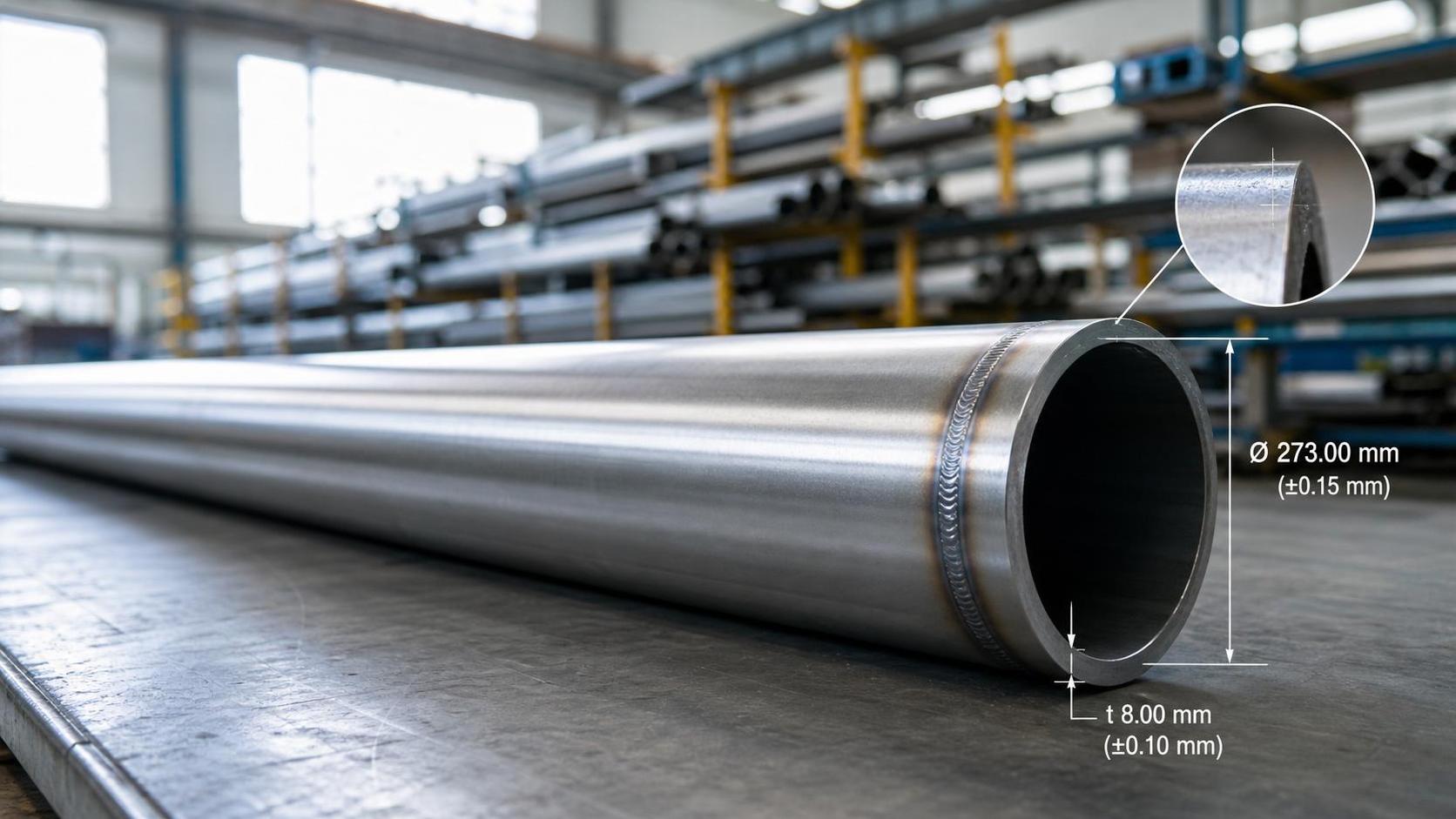
Pipe buyers often compare steel pipe by outside diameter, wall thickness, length, and unit price. Those fields are necessary, but they do not fully explain whether the material will run smoothly through fabrication, installation, coating, welding, or mechanical assembly. For procurement teams evaluating Welded Pipe, the technical question is how the pipe is formed, how the seam is controlled, how dimensions are verified, and how the material is protected before it reaches the buyer's site.
This guide explains welded pipe from a buyer's point of view. It avoids unsupported performance claims and focuses on practical checks that can reduce order risk. A general welded steel pipe may be used in structures, mechanical frames, low-pressure fluid handling, fabrication assemblies, fencing, supports, conduits, and many other industrial contexts. Because the final application can vary widely, buyers need a technical evaluation method that connects production logic with real use.
How Welded Pipe Is Different From Non-Welded Pipe
Welded pipe is made from steel strip or plate that is formed into a circular or shaped section and joined along a seam. Non-Welded Pipe is produced without a longitudinal weld seam. This difference does not automatically make one product better for every application. Instead, it changes what buyers should inspect and how they should match the pipe to its final use.
For welded pipe, the seam area is central to quality control. The buyer should understand whether the pipe is intended for general structural use, mechanical fabrication, line pipe, low-pressure conveyance, or a more controlled technical application. Each use may require different checks. General structural pipe may focus on size, straightness, surface, and weld appearance. More demanding applications may require additional testing, documentation, or compliance review based on the project specification.
Forming Quality and Dimensional Stability
The first technical layer is forming quality. Steel strip must be formed consistently so the pipe reaches the required outside diameter, wall thickness, roundness, and straightness. If forming is unstable, buyers may see ovality, uneven edges, inconsistent seam alignment, or difficulty during downstream cutting and assembly. These issues may not be obvious from a basic quotation, but they can affect fabrication time and installation fit.
Buyers should confirm the dimensional fields that matter to their own process. A pipe used for frames or supports may need predictable cutting and welding behavior. A pipe used with fittings may need tighter attention to outside diameter and roundness. A pipe that will be galvanized, painted, or coated may require surface and end-condition checks before coating. When the intended use is shared with the supplier, dimensional discussion becomes more meaningful.
Seam Control and Weld Appearance
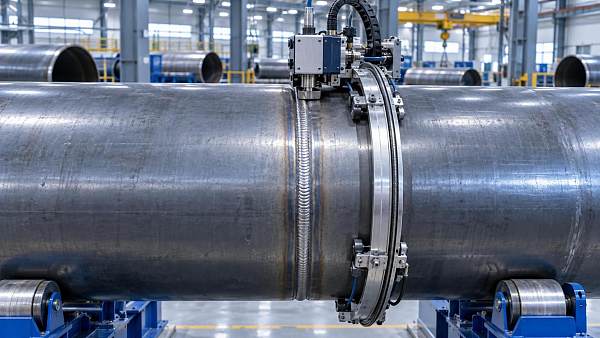
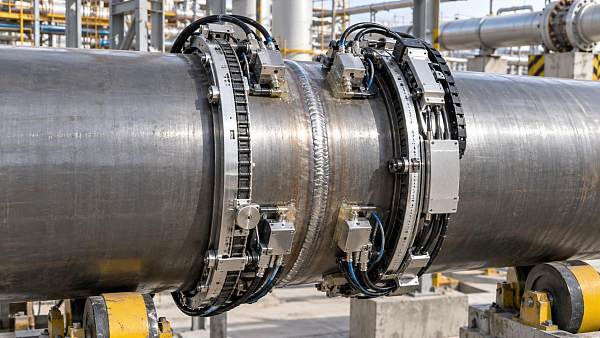
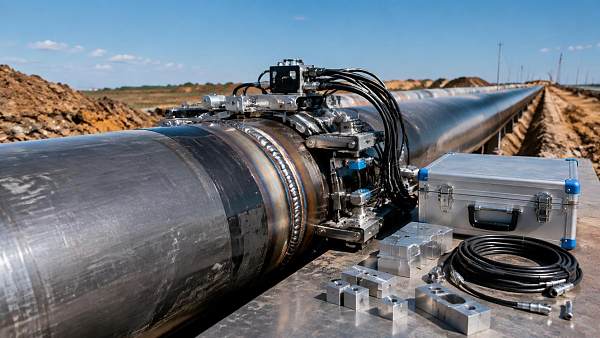
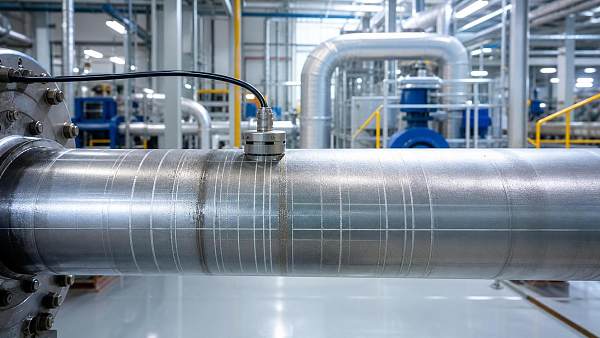
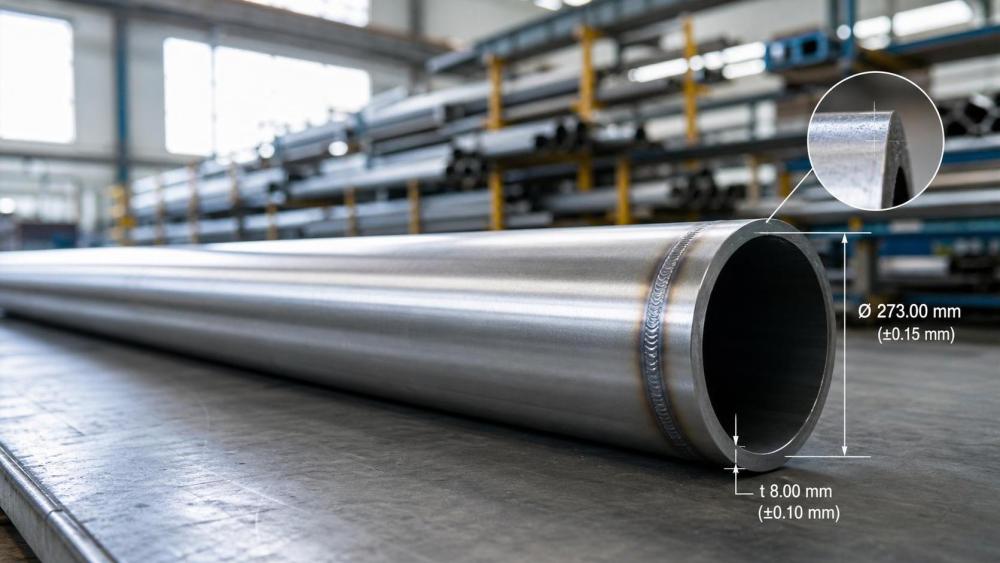
The seam is one of the most visible technical features of welded pipe. Buyers should look for clear seam formation, consistent weld appearance, and absence of obvious defects that could interfere with downstream use. Depending on the application, the buyer may need to ask whether the internal or external bead condition matters. Some uses are tolerant of normal weld features, while others require smoother surfaces or additional processing.
It is also important to separate appearance checks from performance requirements. A clean-looking seam is useful, but it is not the same as formal testing. If the project requires specific pressure performance, mechanical properties, or nondestructive testing, those requirements must be stated in the purchase order and supported by agreed documentation. For ordinary structural or fabrication use, visual seam consistency and dimensional reliability may be the primary checks.
Surface, Ends, and Coating Readiness
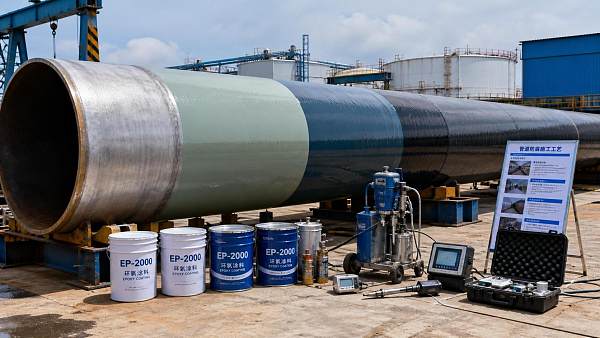
Surface condition affects more than appearance. If the pipe will be painted, galvanized, coated, or welded into a visible structure, surface cleanliness and handling marks matter. Buyers should clarify whether light oiling, rust prevention, bare surface, black finish, galvanized finish, or other treatment is expected. If the pipe will receive coating after delivery, surface preparation should be considered before purchase.
Pipe ends also deserve attention. Burrs, uneven cuts, or poor end condition can increase labor before assembly. If the buyer needs fixed-length pieces, end quality and length tolerance should be included in the inquiry. For long random lengths, packing and safe unloading become more important. A technical purchase should connect surface and end condition to the work that will happen after the pipe arrives.
Testing and Documentation Expectations
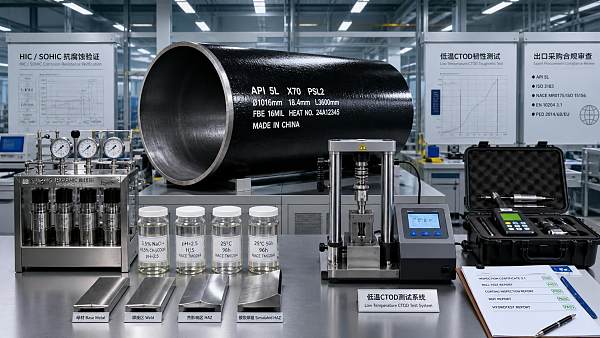
Not every welded pipe order requires the same testing package. Some orders are for general fabrication and need basic dimensional confirmation, packing list accuracy, and visual checks. Other orders may require mill test reports, mechanical property data, chemical composition records, hydrostatic testing, nondestructive testing, or project-specific inspection. Buyers should not assume these items are included unless they are written into the order.
The most practical approach is to define the application first, then list the required documents. If a customer or project specification requires a specific standard, that requirement should be provided before quotation. If the buyer is sourcing for inventory, the documentation should still support resale clarity. Good documents reduce confusion when material moves from port to warehouse to project site.
Packaging, Transport, and Warehouse Handling
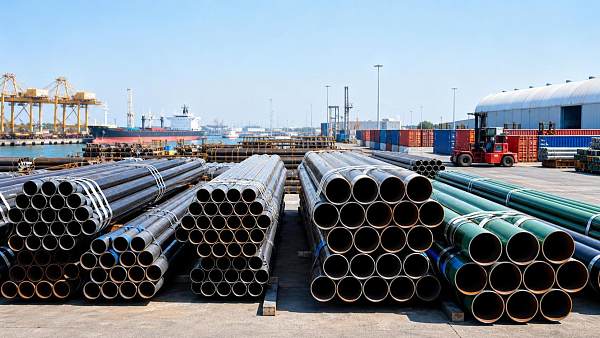
Welded pipe is often shipped in bundles, and long products can be damaged or mixed if marking is weak. Buyers should confirm bundle weight, strap method, end protection, moisture exposure control, and label details. If several sizes ship together, clear labels and packing lists help receiving teams avoid mixing material. This is especially important for distributors who may resell different sizes to multiple customers.
Transport planning also affects quality. Pipes that are not supported correctly may bend, rub, or suffer surface damage. If the material will travel through multiple handling points, buyers should discuss loading and unloading conditions. Packaging is not a decorative detail; it is part of technical quality preservation.
Technical Procurement Checklist
- Define the final use: structure, fabrication, support, fluid handling, coating, resale, or mechanical assembly.
- Confirm outside diameter, wall thickness, length, roundness, straightness, and tolerance expectations.
- Discuss seam appearance, bead condition, and whether any formal testing is required.
- Specify surface condition, rust prevention, coating readiness, and end-quality requirements.
- List required documents before quotation rather than after shipment.
- Review bundle method, labels, loading protection, and warehouse receiving needs.
- Use trial orders when the pipe will feed automated cutting, fitting, or assembly lines.
- Compare suppliers by dimensional clarity, documentation discipline, and packaging reliability, not only price.
FAQ
Is welded pipe suitable for every pipe application?
No. Suitability depends on the application, pressure expectation, structural demand, dimensions, testing requirements, and project specification. Buyers should match the pipe type to the intended use rather than relying on the product name alone.
Why is the weld seam important?
The seam is the joined area created during manufacturing. Its appearance, consistency, and required testing can affect downstream processing and buyer acceptance, especially when the project has defined performance or inspection needs.
Should the buyer ask for documentation before ordering?
Yes. Required reports, inspection records, standards, and packing details should be agreed before the order is confirmed. This avoids disputes when the material is already packed or shipped.
What is the most common technical buying mistake?
The most common mistake is buying only by size and price. Welded pipe procurement should also consider seam condition, roundness, straightness, surface, ends, documentation, packaging, and the final processing route.
Editorial Review Note
This article is buyer-facing technical guidance for welded steel pipe procurement. It avoids fabricated prices, unsupported performance claims, invented case studies, and unverified certification statements.
Industry Briefing
Get the top 5 industry headlines delivered to your inbox every morning.
News Recommendations
 Girth Weld Quality: Acceptance Criteria and Inspection Controls for Pipeline ProjectsDr. Elias Vance
 Pipeline Leak Detection Methods: Choosing the Right System for Remote AssetsMs. Vivienne Cross
 How to Evaluate a Pipeline Integrity Management Platform for Multi-Asset Risk ControlMs. Vivienne Cross
 Pipeline Lifecycle Management in the USA: A Framework to Cut Integrity and Compliance RiskMs. Vivienne Cross
 Selecting High-Temperature Internal Pipe Coatings for Hot, Corrosive Process StreamsPolymer Coating & Thermal Scientist
 Pipeline Failure Prevention: How Risk-Based Integrity Plans Reduce Leaks and DowntimeMs. Vivienne Cross
 Ultrasonic Weld Testing for Pipeline Girth Welds: What to Verify Before AcceptanceDr. Elias Vance
 Selecting Mechanical Caliper Pigs for Dent and Ovality Surveys in Unpiggable PipelinesNDT Telemetry & Magnetic Flux Fellow
 Pipeline Defect Detection Methods: How to Match Inspection Technology to Defect TypeNDT Telemetry & Magnetic Flux Fellow
 Pipeline Electrochemistry Monitoring for Corrosion and Stray Current DetectionElectrochemistry & Corrosion Expert
 How to Select an Impressed Current Cathodic Protection System for Long PipelinesElectrochemistry & Corrosion Expert
 How to Qualify a Weld Quality Control Contractor for Pipeline ConstructionMs. Vivienne Cross
 Choosing a Pipeline Asset Management Company for Integrity Data and Lifecycle RiskMs. Vivienne Cross
 How to Select a Seawater Corrosion Protection System for Offshore StructuresElectrochemistry & Corrosion Expert
 What Drives Pipeline Engineering Cost? A Guide to Budgeting, Risk, and ROIMs. Vivienne Cross
 What Does Pipeline Defect Analysis Cost? Budgeting Inspection, Repair, and DowntimeMs. Vivienne Cross
 Steel Pipe Surface Preparation: Blast-Cleaning Grades for Coating AdhesionPolymer Coating & Thermal Scientist
 Selecting Pipeline Steel Grades for High-Pressure, Sour-Service Transmission LinesDr. Elias Vance
 Offshore Weld Quality Control: Acceptance Criteria for Subsea Pipeline JointsDr. Elias Vance
 Offshore Pipeline Corrosion Inspection: Methods for Managing Subsea Integrity RisksNDT Telemetry & Magnetic Flux Fellow
 When Should You Use Ultrasonic Pipeline Crack Detection Instead of MFL?NDT Telemetry & Magnetic Flux Fellow
 How to Select Pipeline Cleaning Pigs for Debris Removal, Batching, and DryingNDT Telemetry & Magnetic Flux Fellow
 How to Select Anode Cathodic Protection for Pipeline Projects in Nigeria?Electrochemistry & Corrosion Expert
 How to Evaluate a Reference Electrodes Supplier for CP Accuracy and Field ReliabilityElectrochemistry & Corrosion Expert
 How to Select Offshore Pipeline Coating Systems for Corrosion, Depth, and Service LifePolymer Coating & Thermal Scientist
 How to Evaluate a Pipe Coating Inspection Contractor for Pipeline QA CompliancePolymer Coating & Thermal Scientist
 What Are Geometry PIGs Used for in Canada’s Oil and Gas Pipelines?NDT Telemetry & Magnetic Flux Fellow
 Why API Spec 5L Pipeline Steel Coil Is Becoming a Smarter Starting Point for Pipe BuyersPipeline Structural Mechanics Architect
 How to Evaluate High Strength Pipeline Steel for Pressure, Toughness, and WeldabilityPipeline Structural Mechanics Architect
 Procurement Risks to Review When Sourcing Nickel-Based Alloys for ProjectsMs. Vivienne Cross
 How to Select Corrosion Resistant Coatings for Pipelines in Harsh Service ConditionsPolymer Coating & Thermal Scientist
 Stray Current Mitigation for Pipelines: How to Reduce Corrosion Risk Near DC SystemsElectrochemistry & Corrosion Expert
 U.S. Launches Third Sunset Review on Seamless Carbon and Alloy Steel Pipe From ChinaPipeline Structural Mechanics Architect
 Pipeline Coating Technology Cost: What Drives Price in Field Projects?Polymer Coating & Thermal Scientist
 China Releases API 5L and NACE MR0175 Compliance Guide for Oil and Gas Pipe ProcurementDr. Elias Vance
 How Ultrasonic Data Analytics Improves Pipeline Inspection Accuracy and Defect DetectionNDT Telemetry & Magnetic Flux Fellow
 China Imposes Temporary Export Ban on Helium, Tightening Calibration Gas Supply for Pipeline InspectionNDT Telemetry & Magnetic Flux Fellow
 What Does NACE MR0175 Certification Mean for Sour Service Material Selection?Dr. Elias Vance
 NACE MR0175/ISO 15156:2026 Raises Sour Service RequirementsDr. Elias Vance